

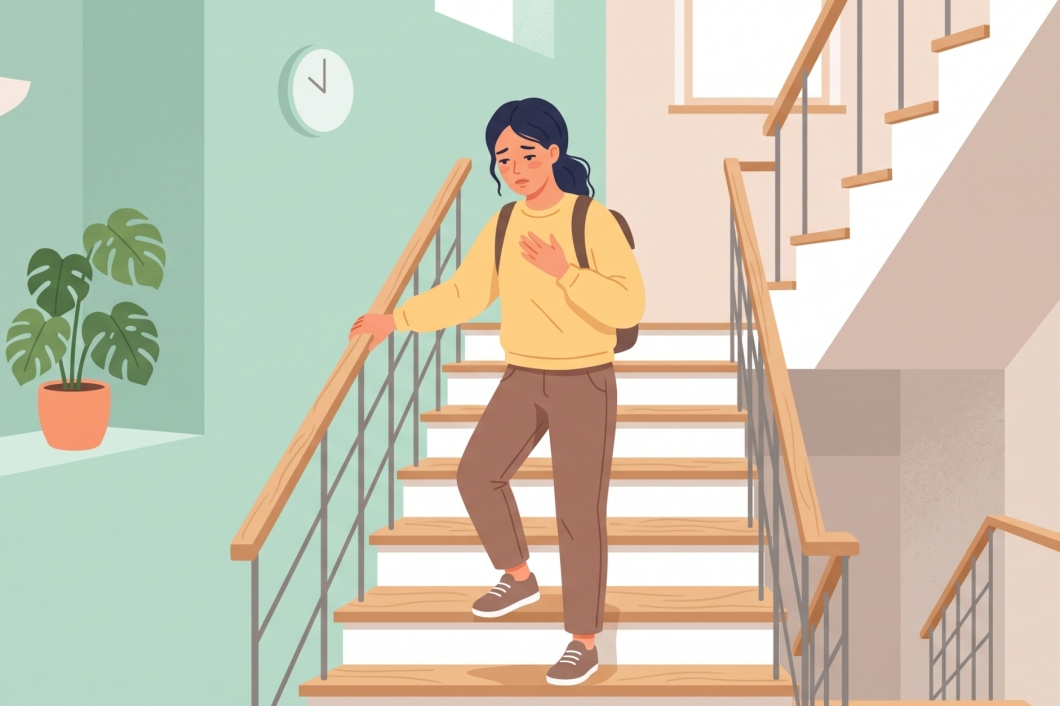
Do you often feel inexplicably tired, find it hard to concentrate, or even get easily short of breath when climbing stairs? This might not just be everyday fatigue—it could be a warning sign from your body indicating iron deficiency 1–4! In Hong Kong, 1 in every 6 women of reproductive age is affected by iron deficiency, and iron deficiency anemia is one of the most common health issues globally 1,3,4.What exactly is iron deficiency anemia? What hidden symptoms are easily overlooked? And how can you regain full vitality through proper diet and treatment?

Healthline
IRON DEFICIENCY ANEMIA
19 October 2026
- Iron Deficiency Situation in Hong Kong 1,3
-
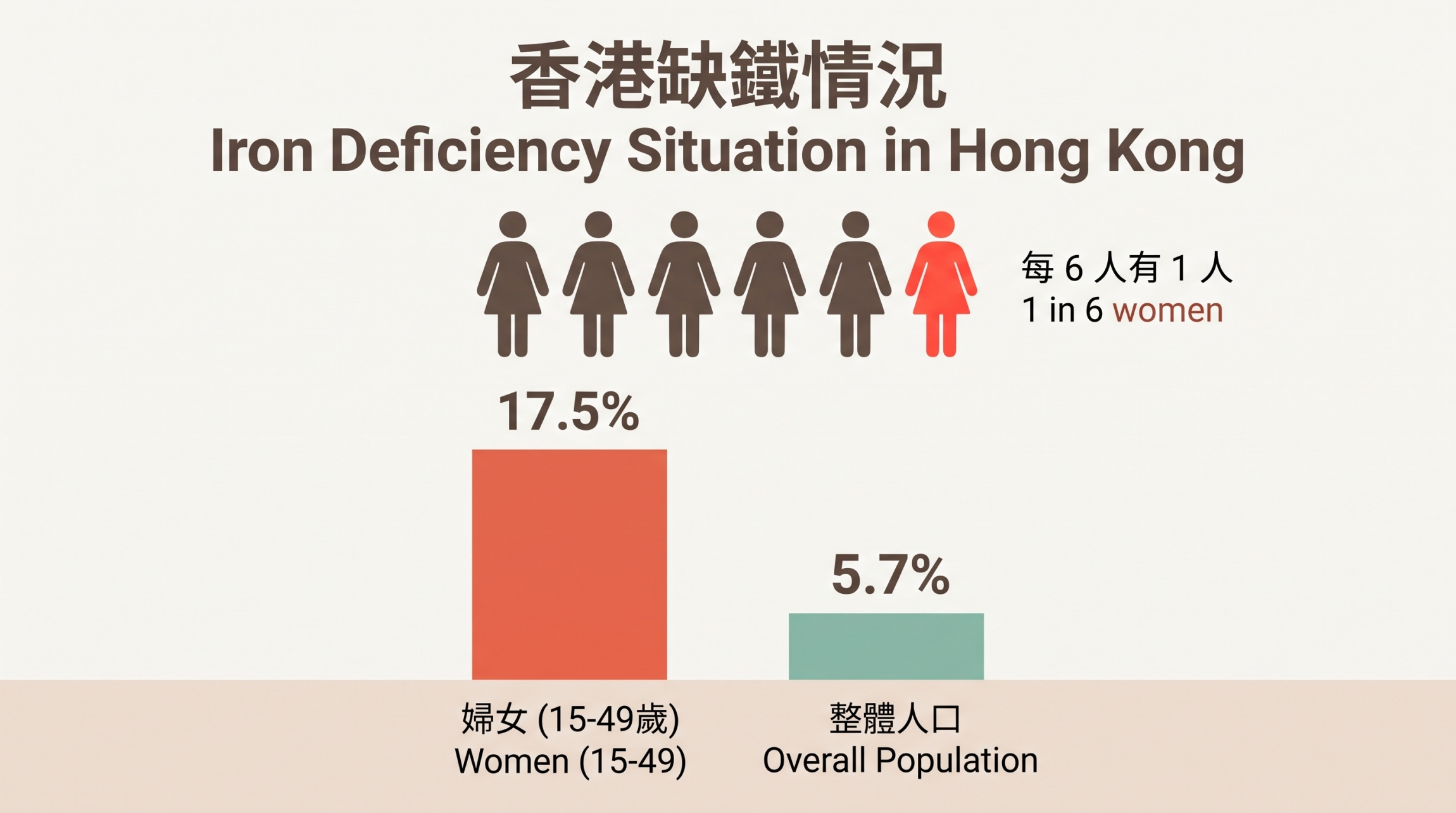
According to the Department of Health’s Population Health Survey Report 2020–2022, the overall prevalence of iron deficiency among the population aged 15 to 84 is 5.7%. Among them, iron deficiency is most significant among women of reproductive age (aged 15 to 49), with a prevalence rate of 17.5% (equivalent to about 1 in every 6 women of reproductive age having iron deficiency), which is much higher than that of postmenopausal women (aged 50 to 84) at 2.7% and men at 0.7%.
- What is Anemia?
-
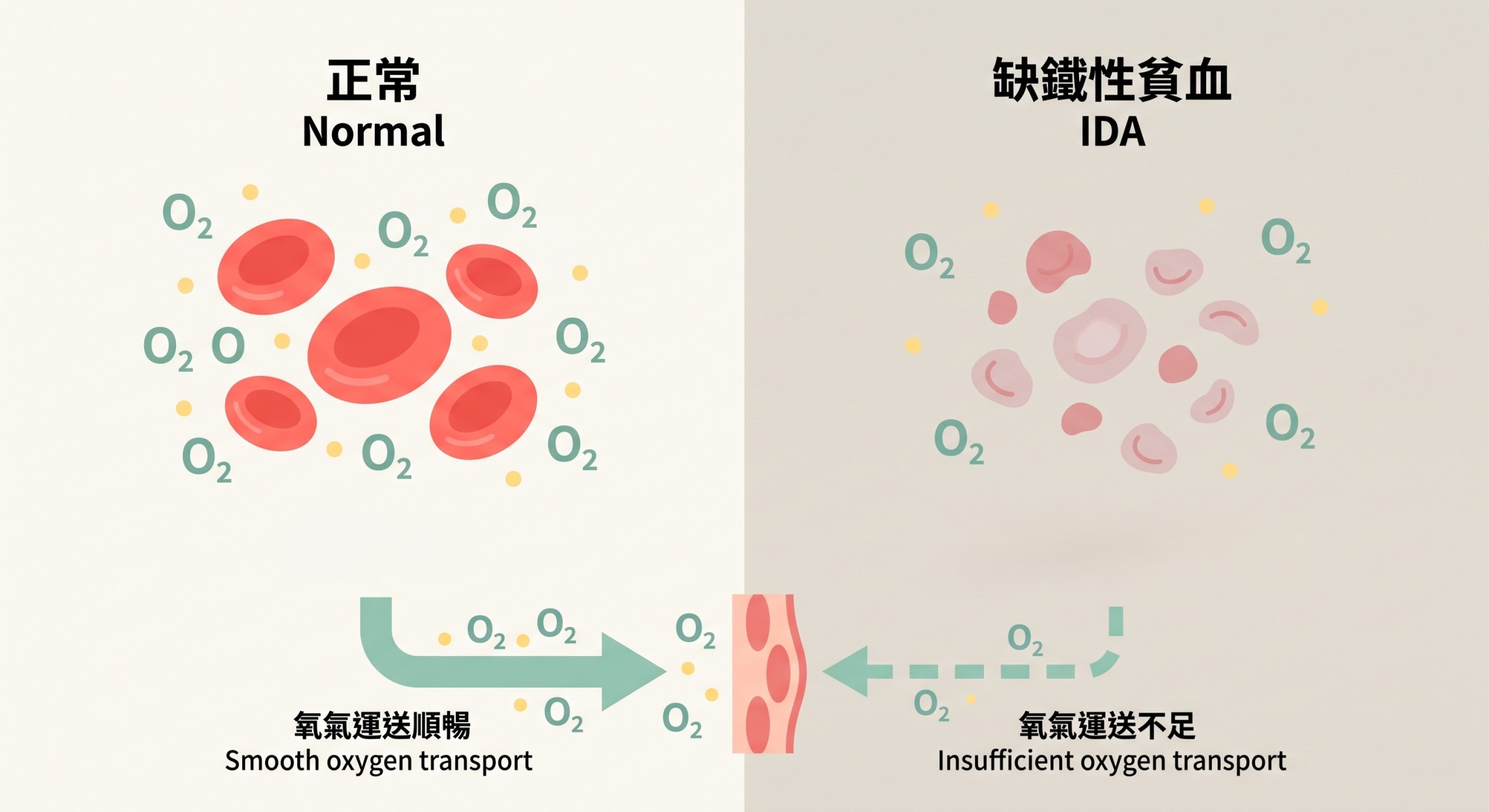
Anemia refers to a condition caused by a lack of healthy red blood cells or hemoglobin in the blood, making it unable to carry sufficient oxygen throughout the body 4. Hemoglobin is contained within red blood cells (iron is an essential component for producing hemoglobin) and is responsible for transporting oxygen to all organs and parts of the body 2,3. When hemoglobin or red blood cells are insufficient or abnormal, cells throughout the body do not receive enough oxygen for normal organ function, leading to symptoms of anemia (such as feeling tired easily and lowered immunity) 1,3,4. There are many types of anemia, with iron deficiency anemia being the most common 1,3,4.
- What is Iron Deficiency Anemia and Its Causes?
-
Iron is an essential element for manufacturing hemoglobin, the oxygen-carrying protein in the blood 1–3,5. When the body's iron stores are insufficient, the bone marrow can only produce red blood cells that are small in size and deficient in hemoglobin, leaving cells and organs throughout the body without enough oxygen to function normally; this condition is known as iron deficiency anemia 5. Taking iron supplements is one effective way to treat iron deficiency anemia 1–4.
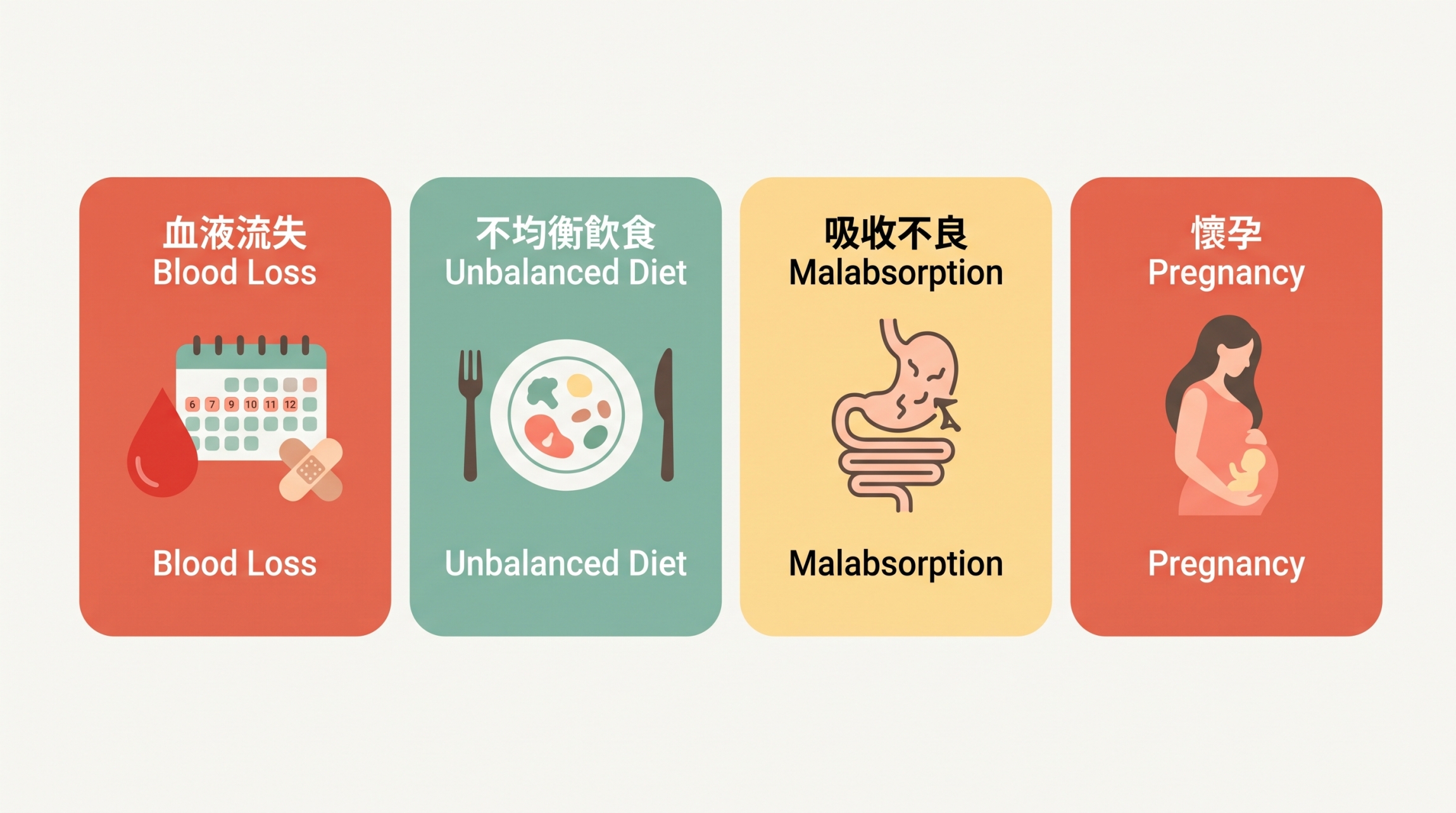
Causes of iron deficiency anemia include:
- Blood loss: e.g., heavy menstrual bleeding in women, gastrointestinal bleeding 1,4,5
- Dietary factors: e.g., an unbalanced diet (low intake of iron-rich foods), vegetarians 2,4
- Iron absorption issues: e.g., digestive system diseases 4,5
- Pregnancy: the fetus needs to absorb iron from the mother for growth and development 3
- What are the Symptoms of Iron Deficiency Anemia?
-
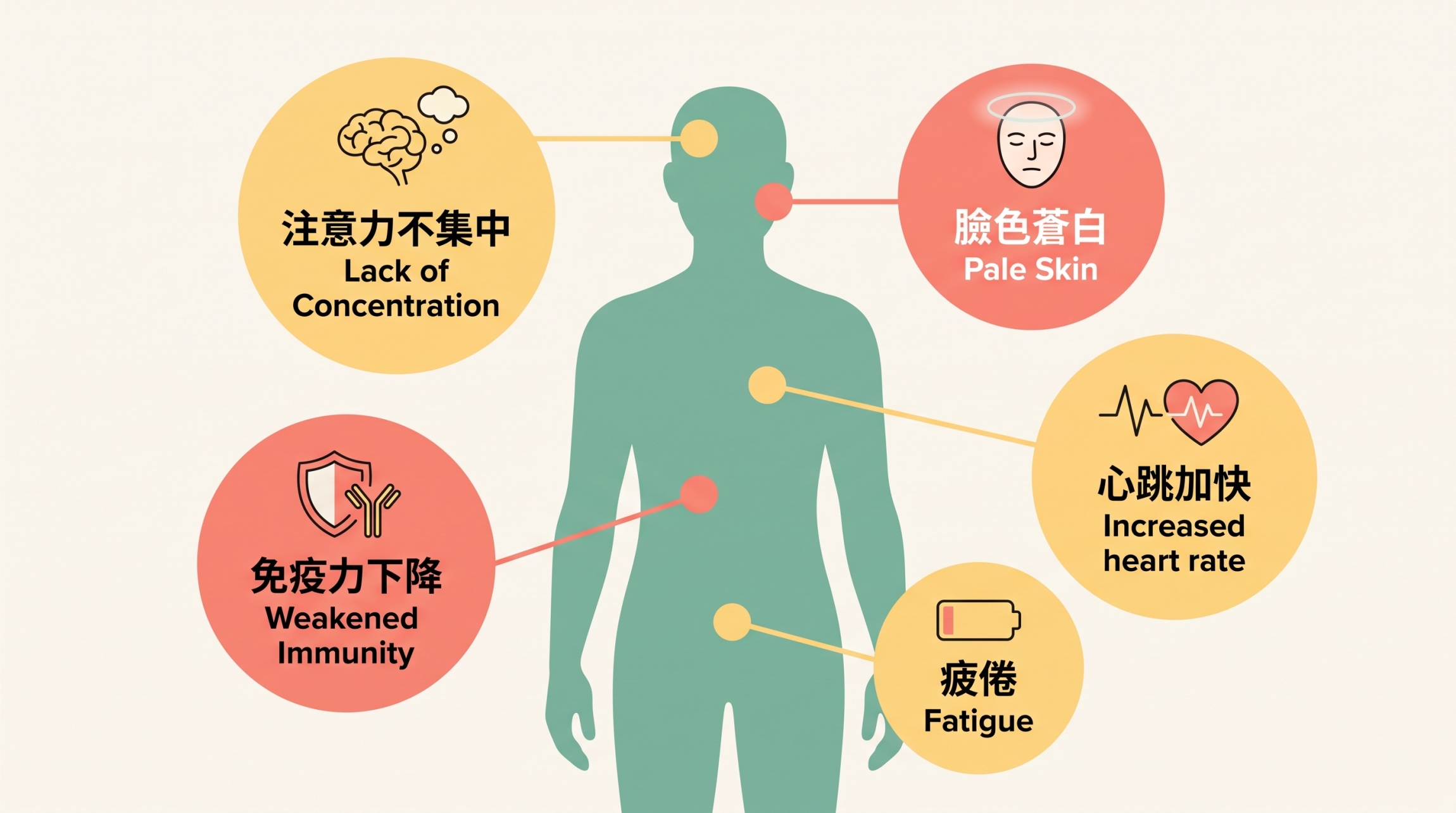
Symptoms of iron deficiency anemia include:
- Fatigue 1–5
- Lack of concentration 1–3
- Weakened immunity 1–3
- Increased heart rate 2
- Pale skin 2,3
- Impact of Severe Iron Deficiency on Pregnant Women and Children
-

If severe iron deficiency anemia is not managed promptly, it can have serious long-term health consequences for pregnant women, fetuses, and developing children:
- Impact on Pregnant Women and Fetuses:
- Increased Risk of Premature Birth 1,3
- Low Birth weight 1,3
- Increases pregnancy and postpartum mortality rates and impacts newborn health 1,3
- Impact on Infants, Toddlers, and Children:
- Affects brain development, leading to delayed cognitive and motor skill development 1–4
- Weakens immunity, making them more susceptible to various bacterial or viral infections 1–3
- Affects future attention span, memory, and academic performance 1–3,5
- Impact on Pregnant Women and Fetuses:
- How to Treat Iron Deficiency Anemia? Balanced Diet
-
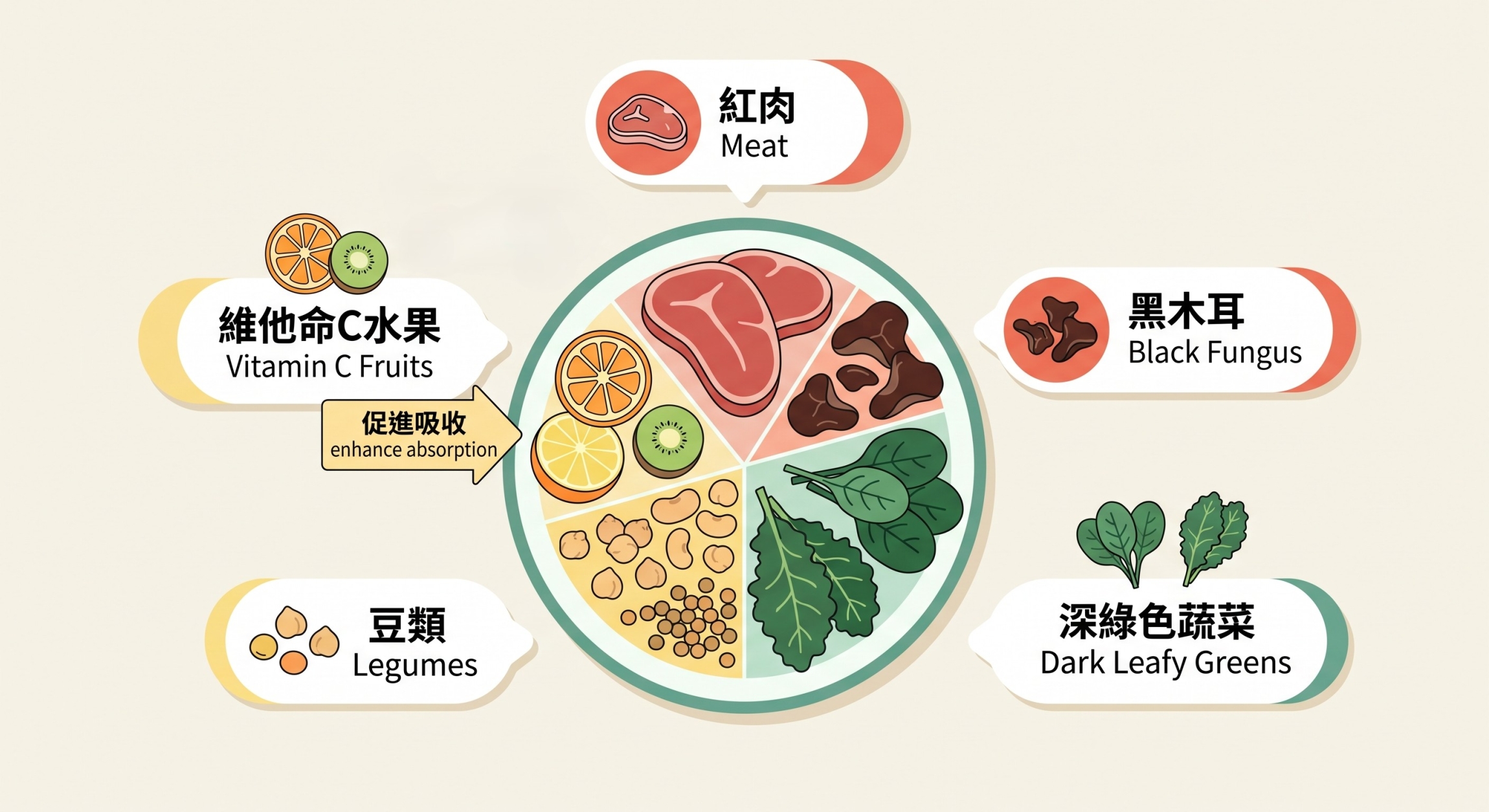
To prevent or treat iron deficiency anemia, maintain a balanced daily diet and consume more iron-rich foods. Common iron-rich foods include 2:
- Meat
- Black fungus
- Dark green leafy vegetables
- Dried fruits
- Legumes (such as chickpeas and lentils)
In addition, Vitamin C helps promote iron absorption; therefore, when consuming iron-rich foods, pair them with fruits rich in Vitamin C (such as oranges, kiwis, etc.) to enhance absorption 2.
- How to Treat Iron Deficiency Anemia? Iron Supplements
-
When dietary intake is insufficient to meet the body's needs, taking oral iron supplements is one of the primary treatments for iron deficiency anemia 1–5. Supplements available on the market mainly fall into traditional ferrous iron formulations and new-generation ferric iron complexes (e.g., Ferrum Hausmann), which differ in absorption, taste, and gastrointestinal tolerance.
- Ferrous (Iron II) Supplements
Traditional oral iron supplements mainly consist of ferrous iron (e.g., Ferrous Sulphate). They have a stronger metallic taste and are more likely to cause gastrointestinal side effects such as 6:
-
- Nausea
- Diarrhea
- Constipation
- Stomach discomfort
- Ferric (Iron III) Supplements (Ferrum Hausmann)
New-generation ferric iron supplements utilize an iron (III)-hydroxide polymaltose complex (such as the Ferrum Hausmann series). Their advantages include:
-
- Unique formulation that reduces side effects 6
- Excellent gastrointestinal tolerance, significantly lowering the risk of nausea or constipation 6
- Better taste, suitable for taking with meals 7–9
- Flexible options available in three dosage forms: chewable tablets (chocolate flavor), drops (vanilla flavor), and syrup (vanilla flavor) 7–9
- Drops and syrup formulations are suitable for infants, children, and adults 8,9
- Disclaimer
-
The content on this site is not intended to be a substitute for professional medical advice, diagnosis, or treatment. Always seek the advice of your physician or pharmacist with any questions you may have regarding a medical condition.
- References
-
- 香港特別行政區:衛生署衛生防護中心 - 鐵質水平主題性報告.
- 香港特別行政區:衛生署 家庭健康服務 - 預防鐵質缺乏 精明攝鐵有法.
- 香港特別行政區:衛生署 - 非傳染直擊202408.
- World Health Organization - Anemia Fact Sheet.
- Miller JL. Iron Deficiency Anemia: A Common and Curable Disease. Cold Spring Harb Perspect Med. 2013;3(7):a011866-a011866. doi:10.1101/cshperspect.a011866
- Laleli Koc B, Haydaroğlu Y, Akgün Aktaş B, Özkavak OO, Tanacan A, Şahin D. Comparison of the Prophylactic Use of Iron Polymaltose Complex and Ferrous Sulfate Iron Preparations in Terms of Efficacy and Side Effect Profile in Pregnant Women. Ank City Hosp Med J. 2023;2(4):221-225. doi:10.5505/achmedj.2023.36855
- Ferrum Hausmann® Chewable Tablet Package Insert.
- Ferrum Hausmann® Drops Package Insert.
- Ferrum Hausmann® Syrup Package Insert.


